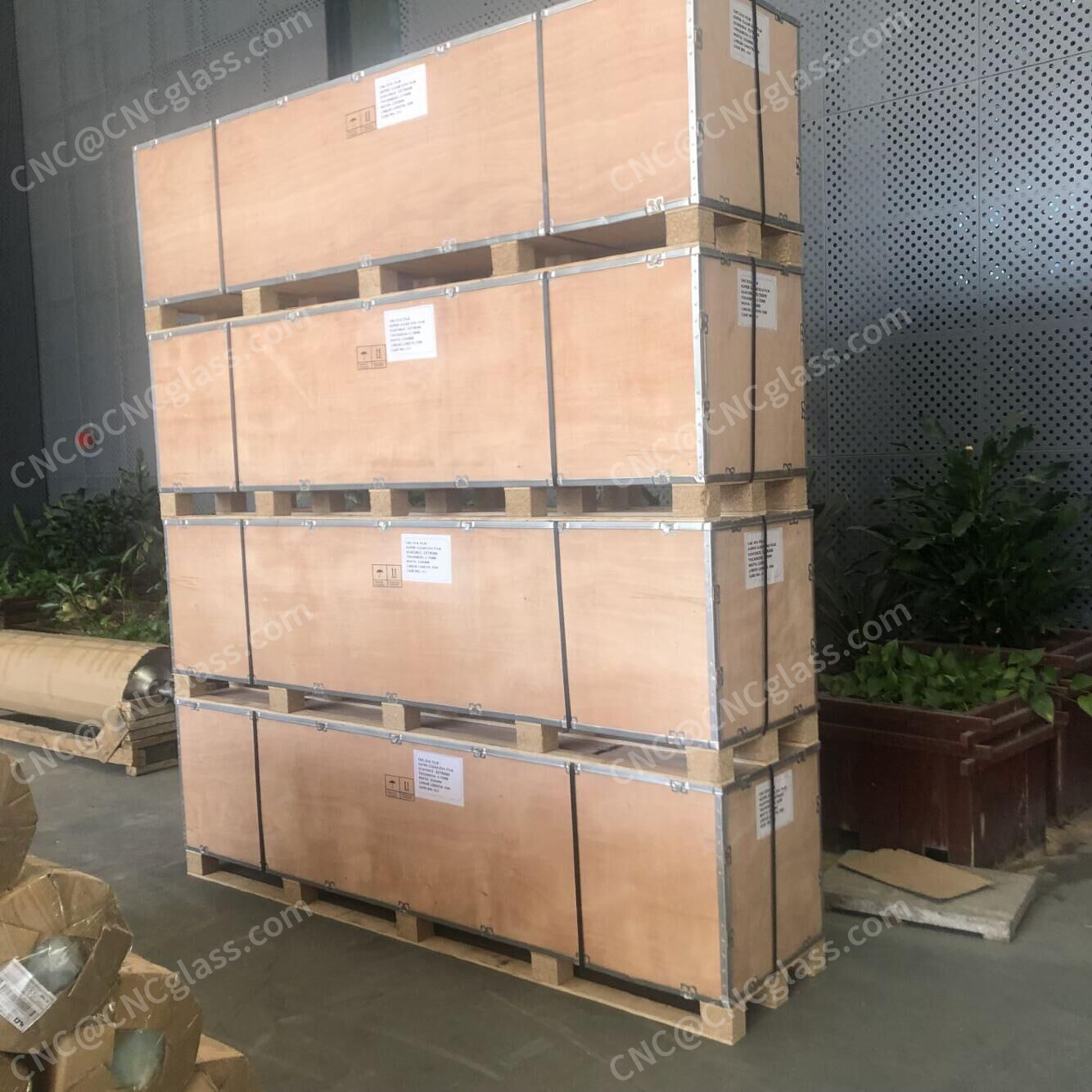
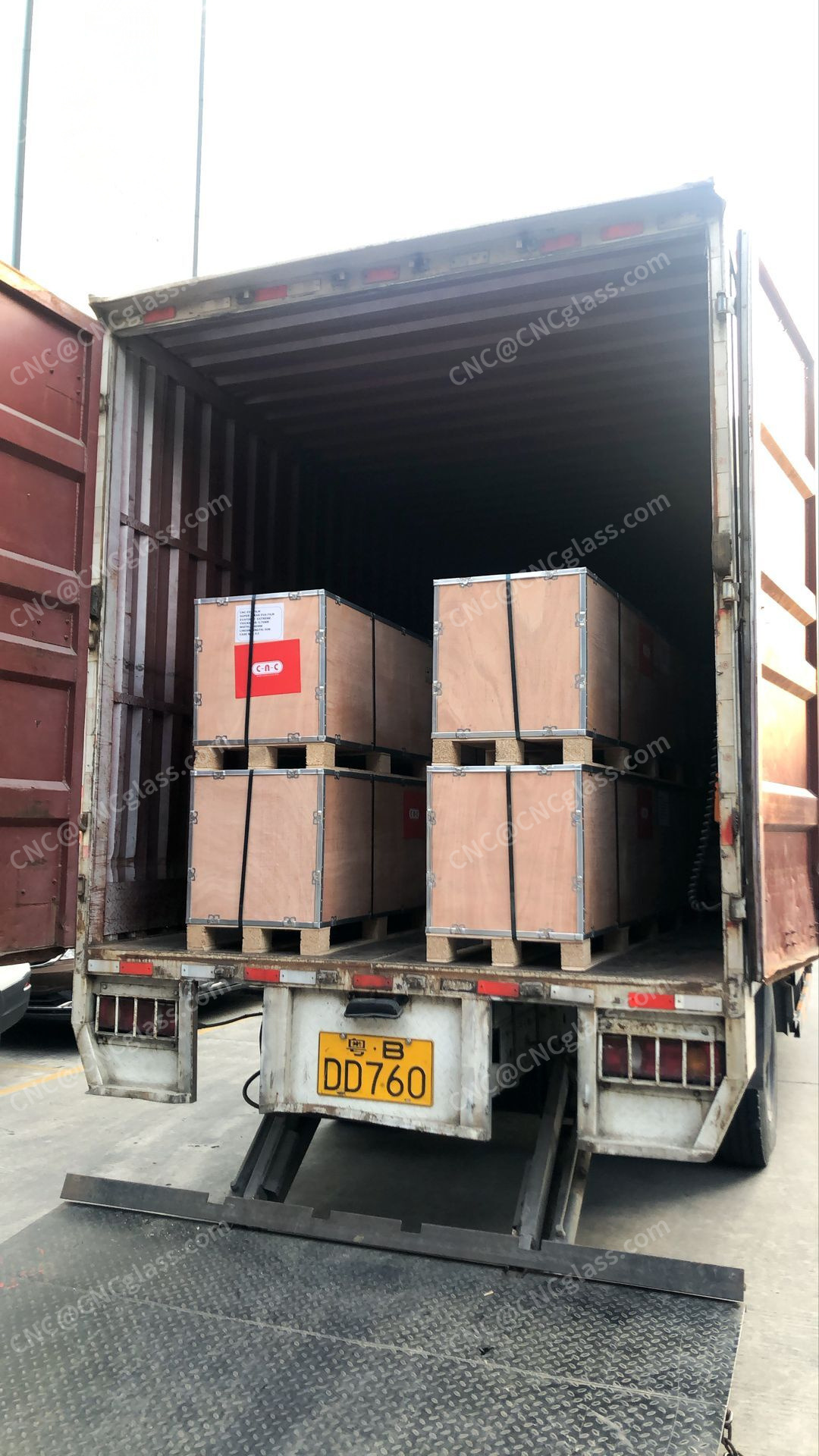
EVA interlayer film packed in wooden crates, shown stacked on pallets in the warehouse and loaded onto a truck for shipment.
www.manufacturersM.com
EVA interlayer film packed in wooden crates, shown stacked on pallets in the warehouse and loaded onto a truck for shipment.
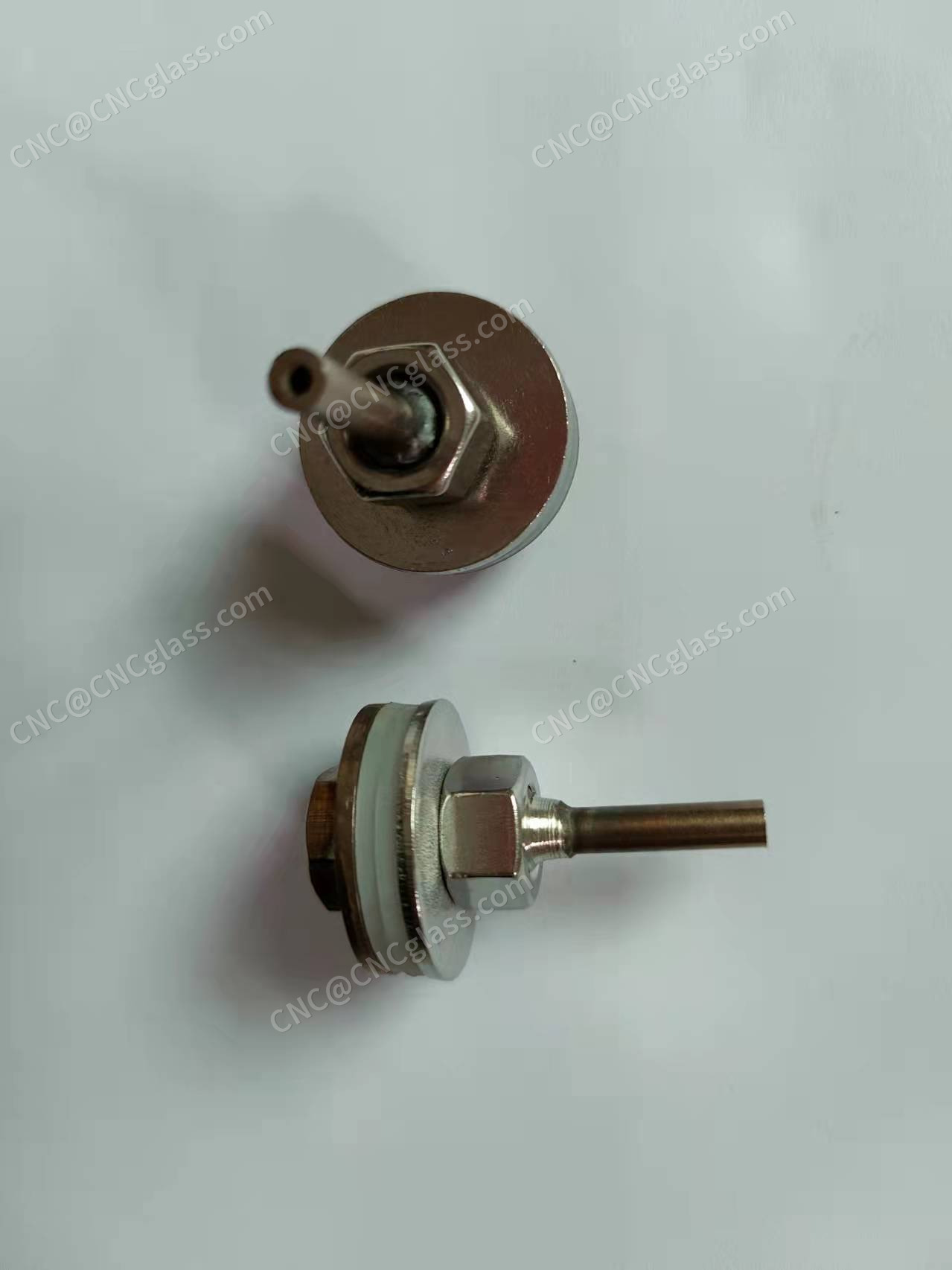
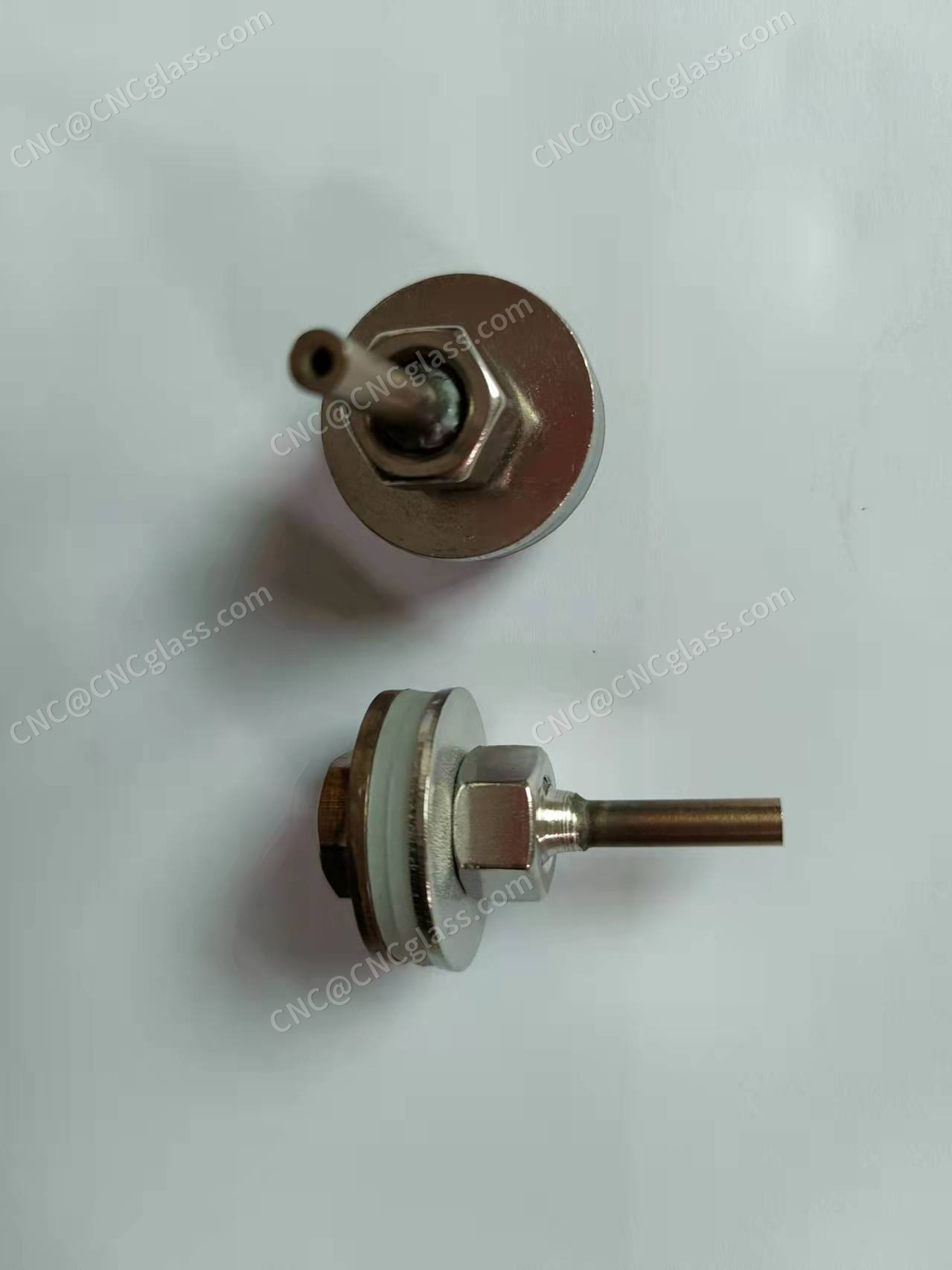
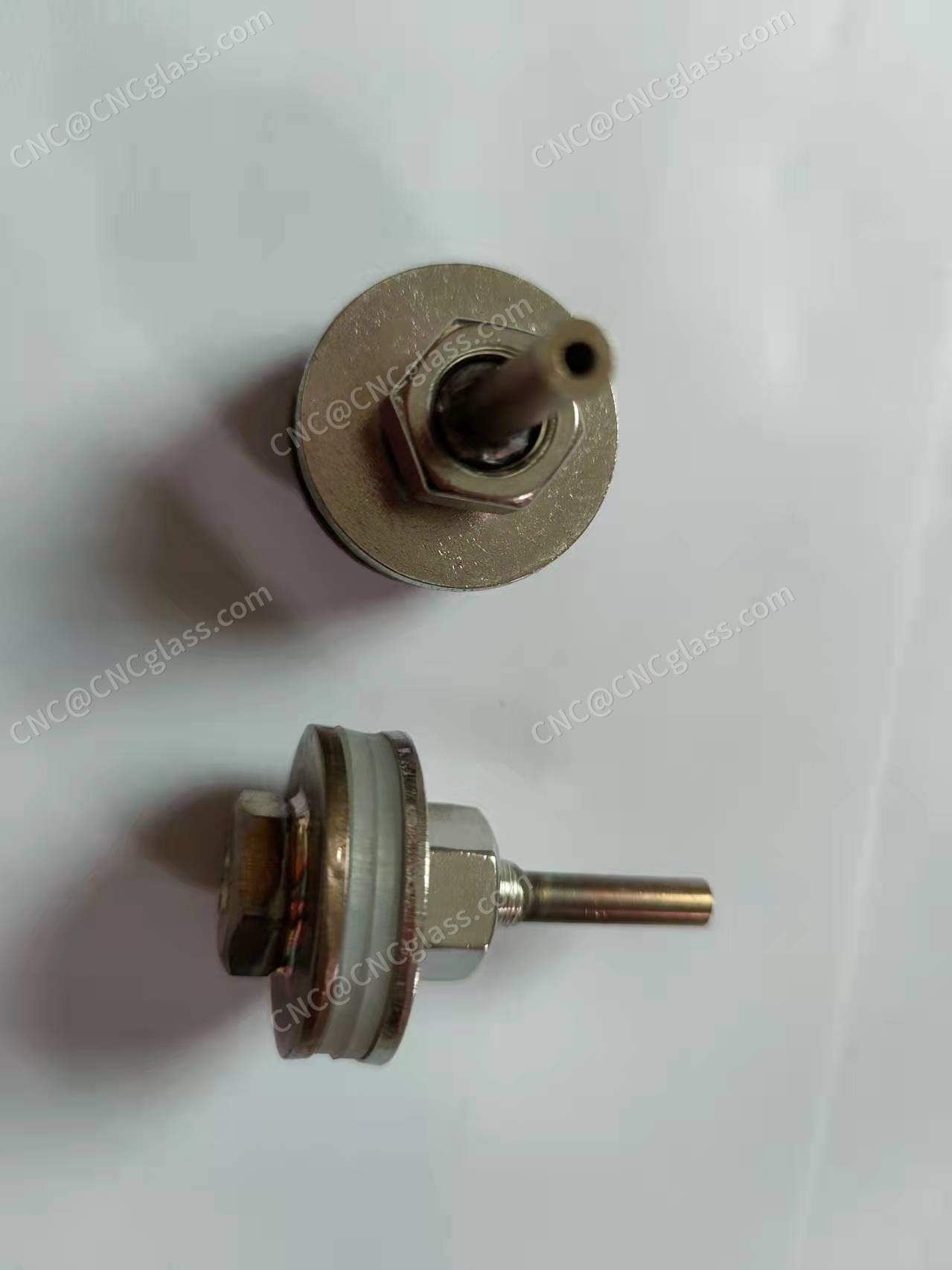
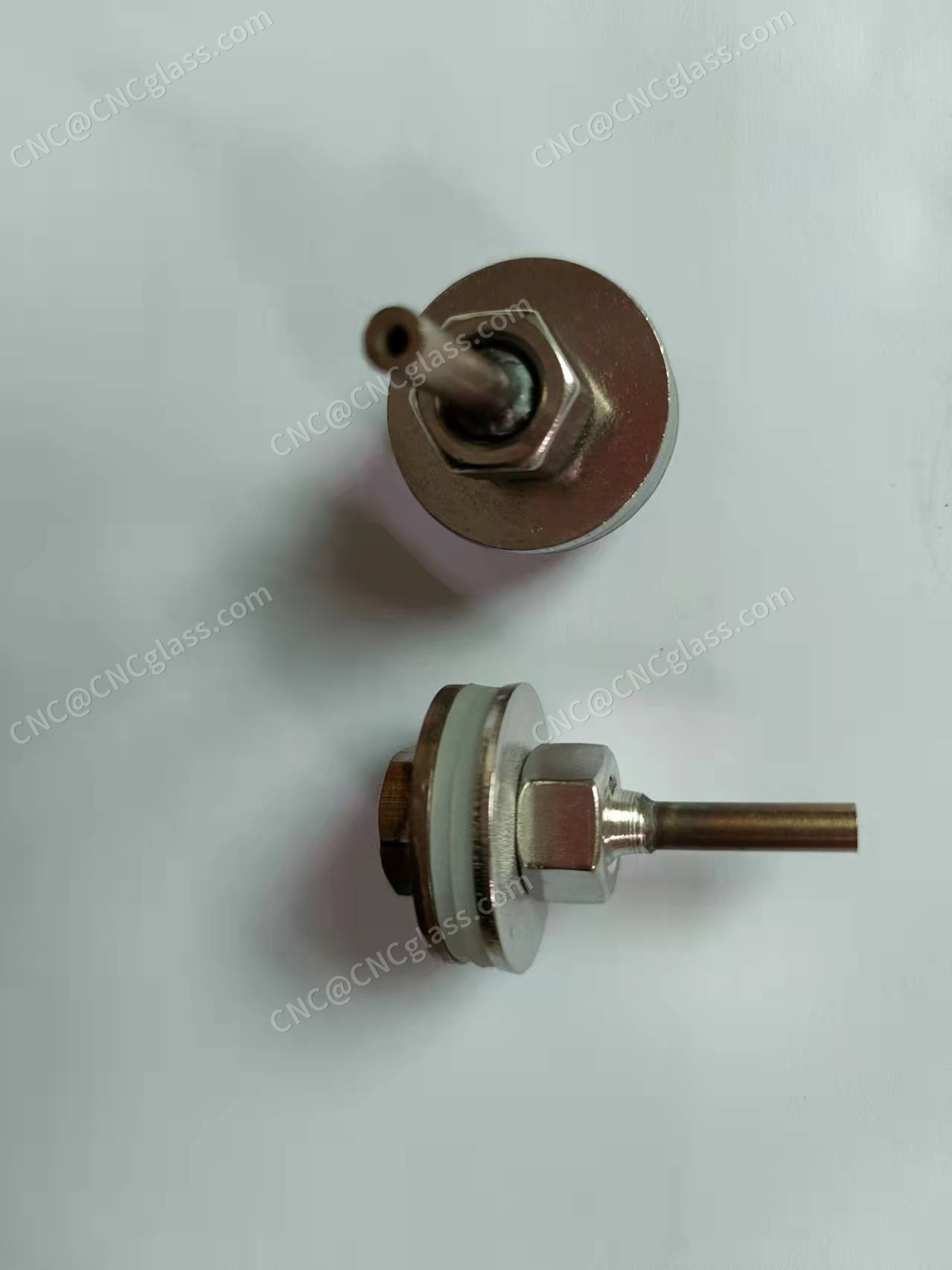
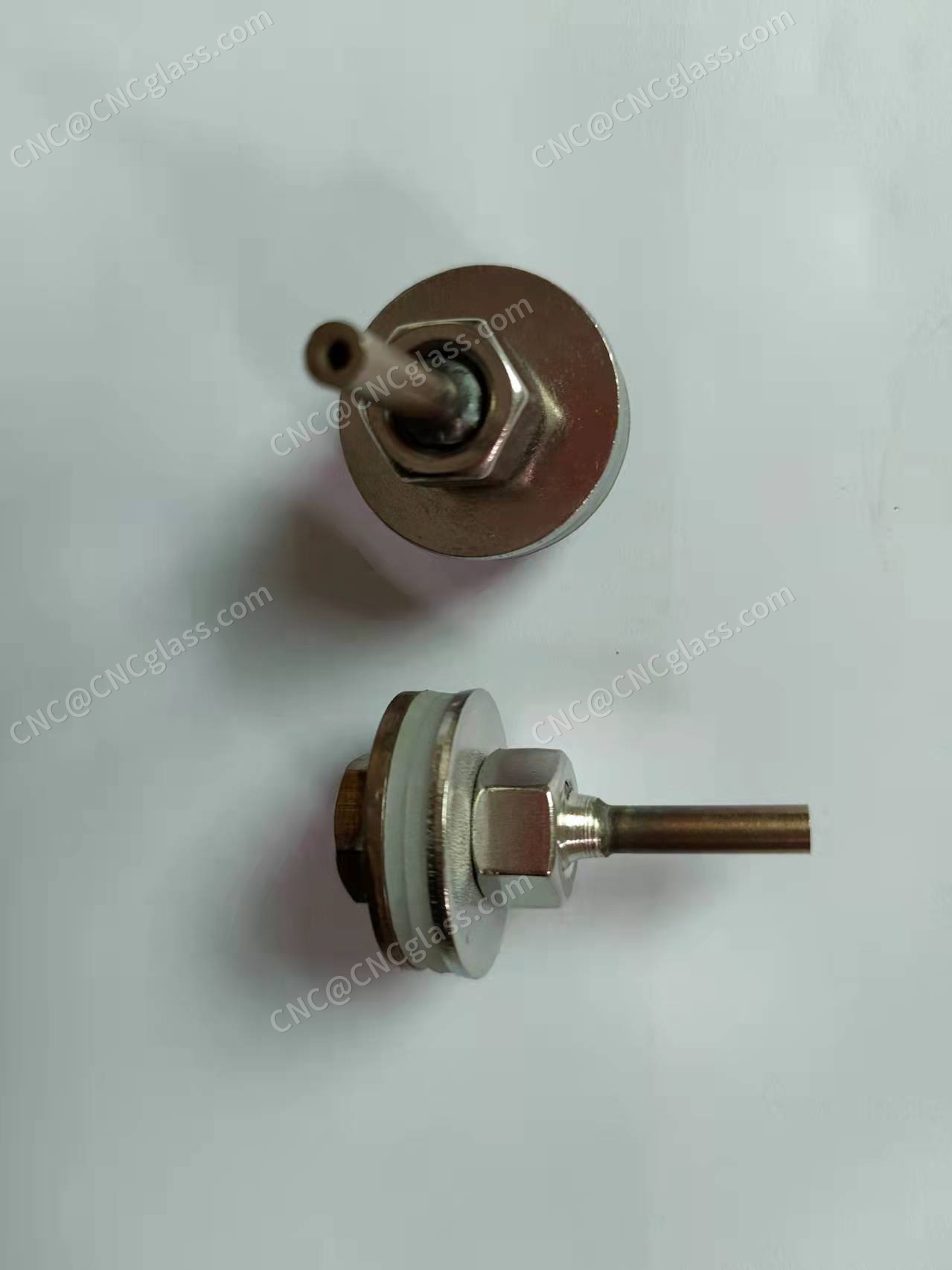
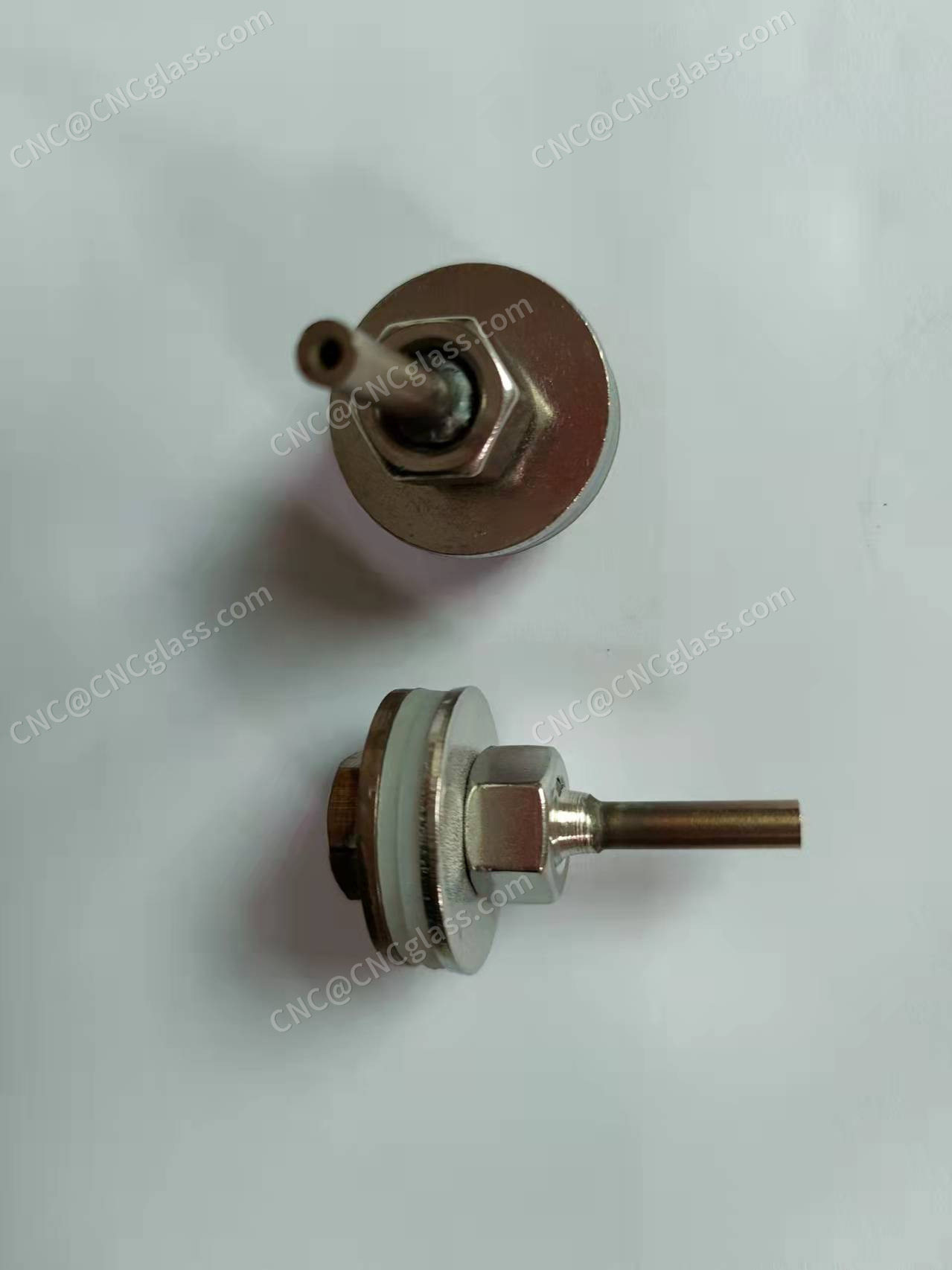
Stainless steel connectors for safety glazing vacuuming, shown together with hex nuts, sealing washers, flanges, and tubular stems.
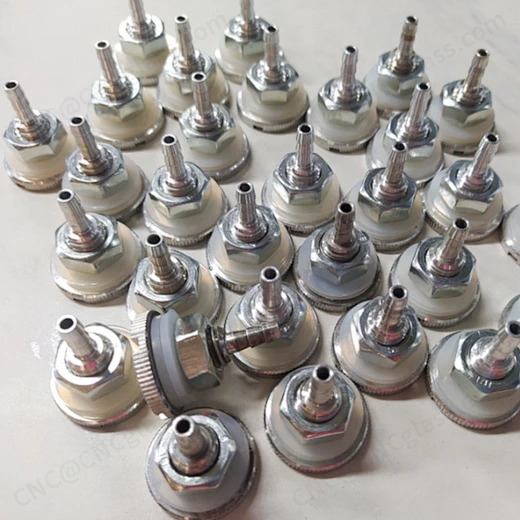
Stainless steel connectors for safety glazing vacuuming, shown with a hex nut, sealing washer, flange, and a tubular stem.
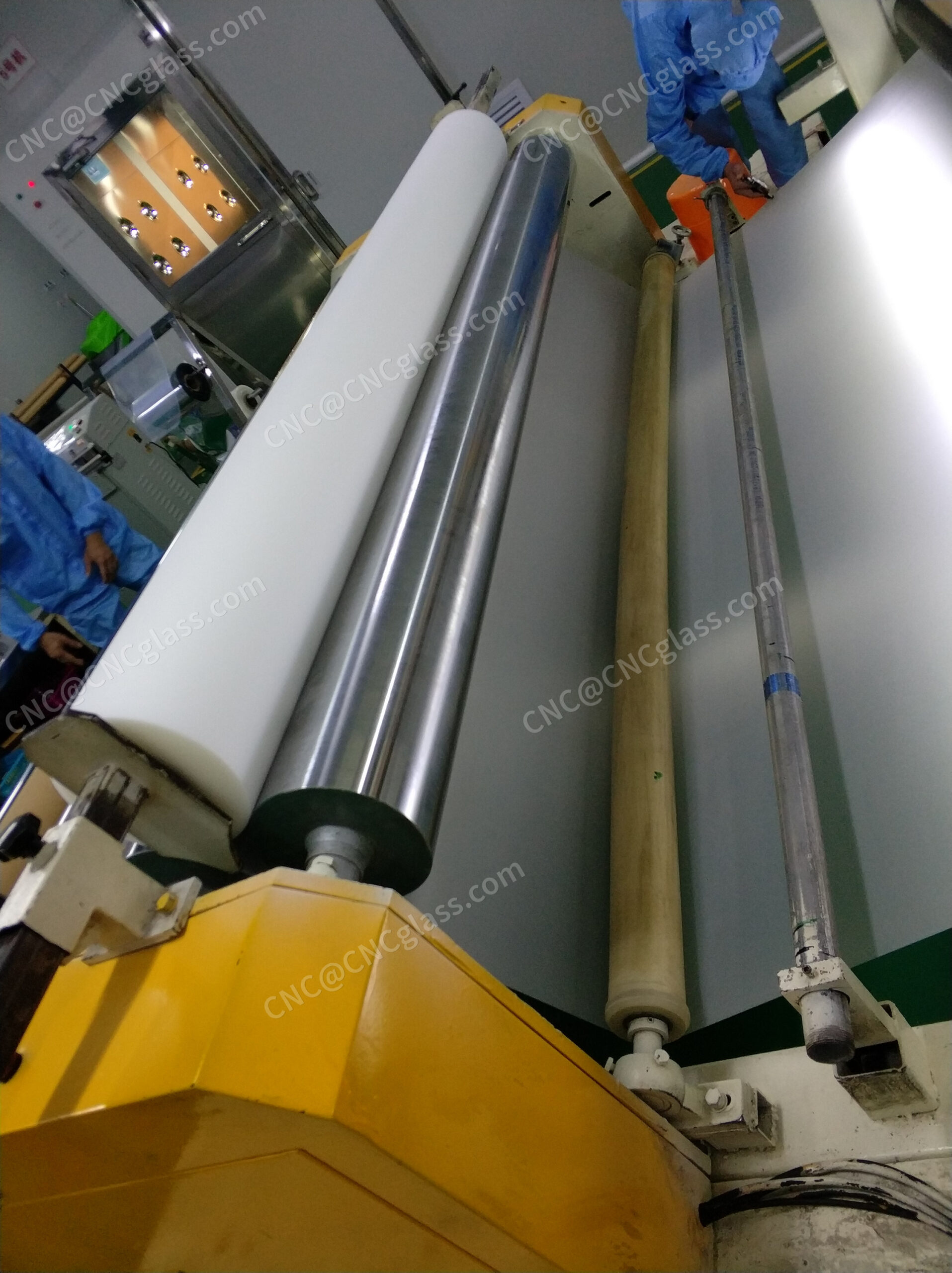
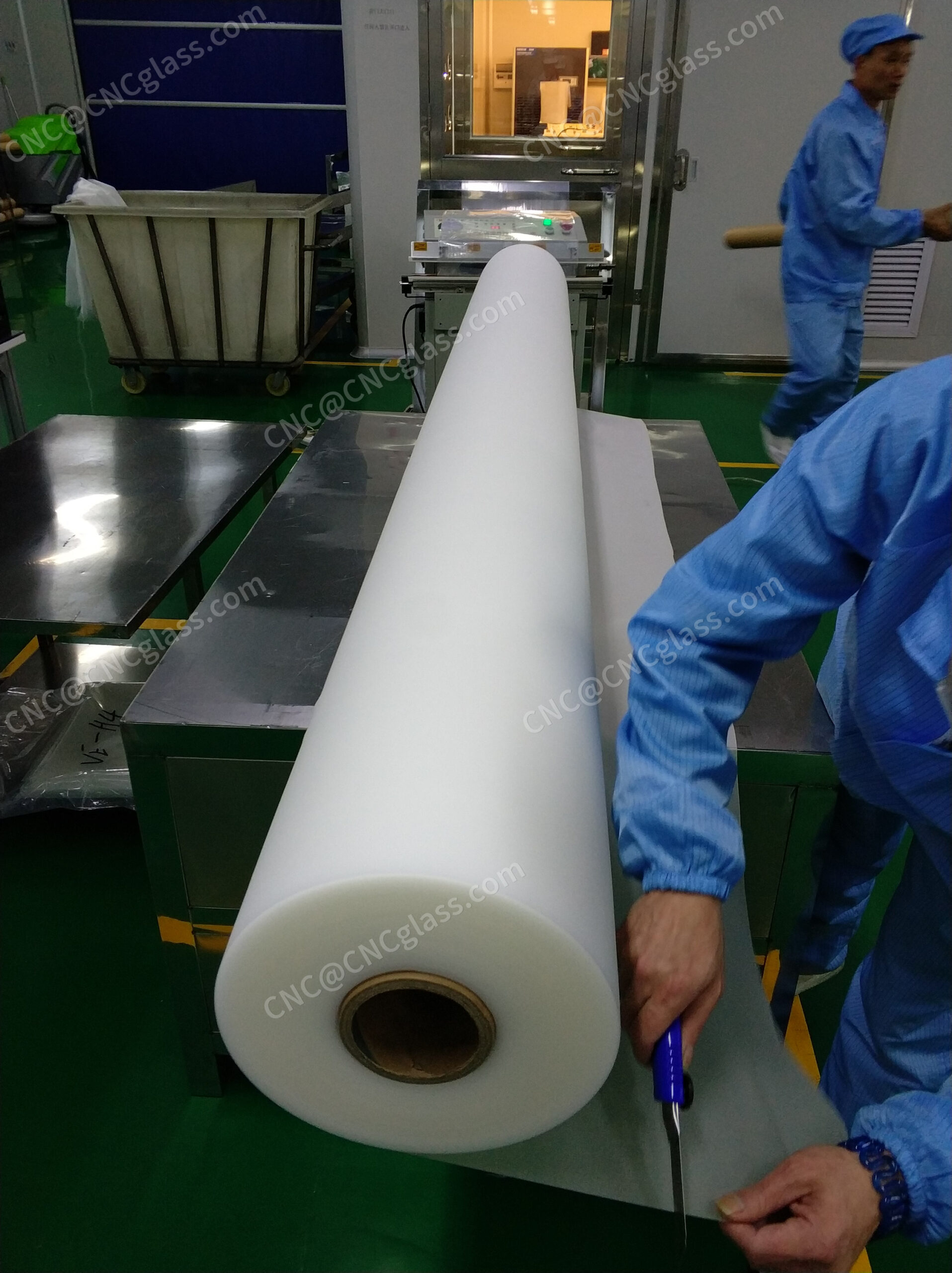
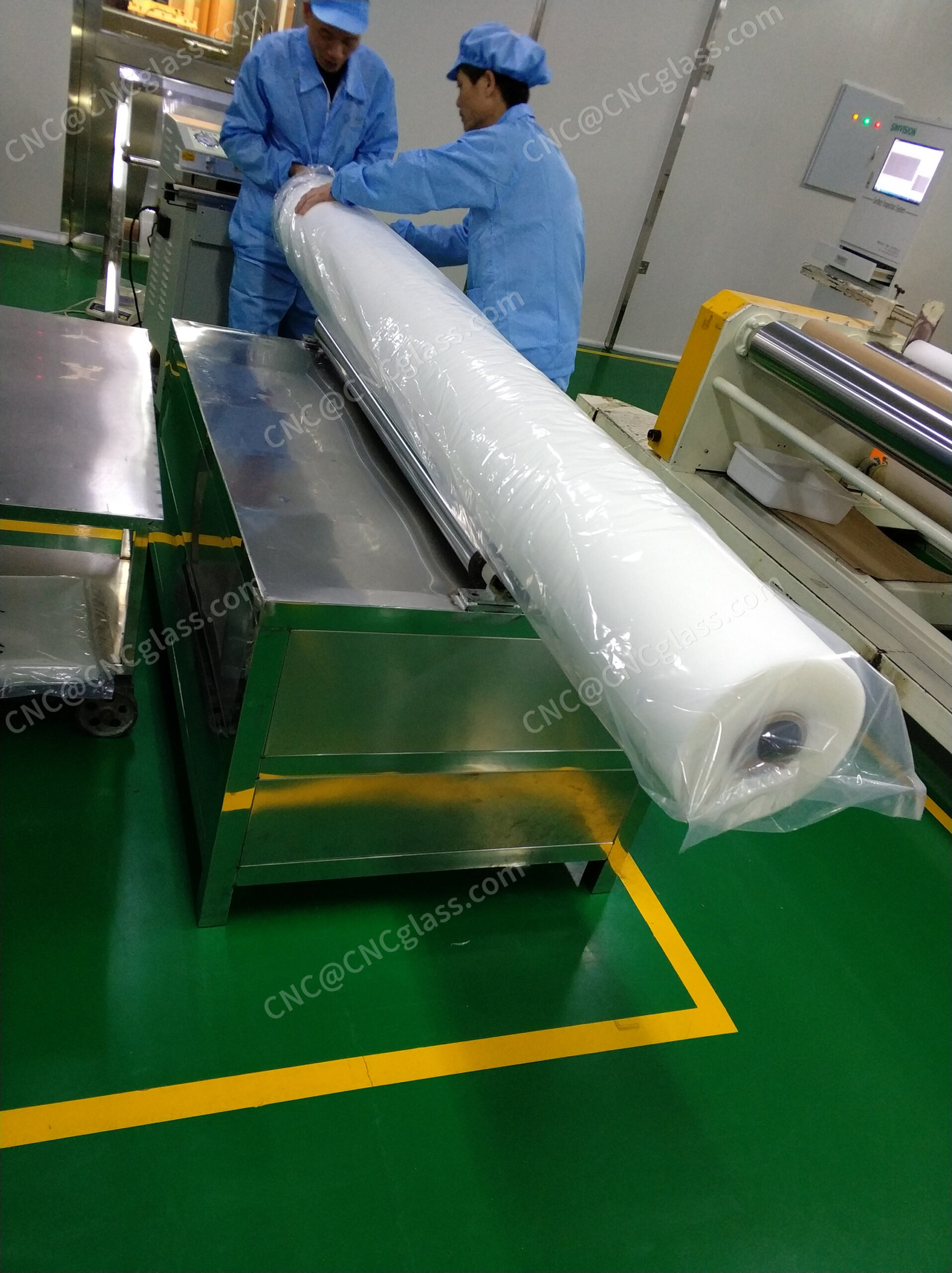
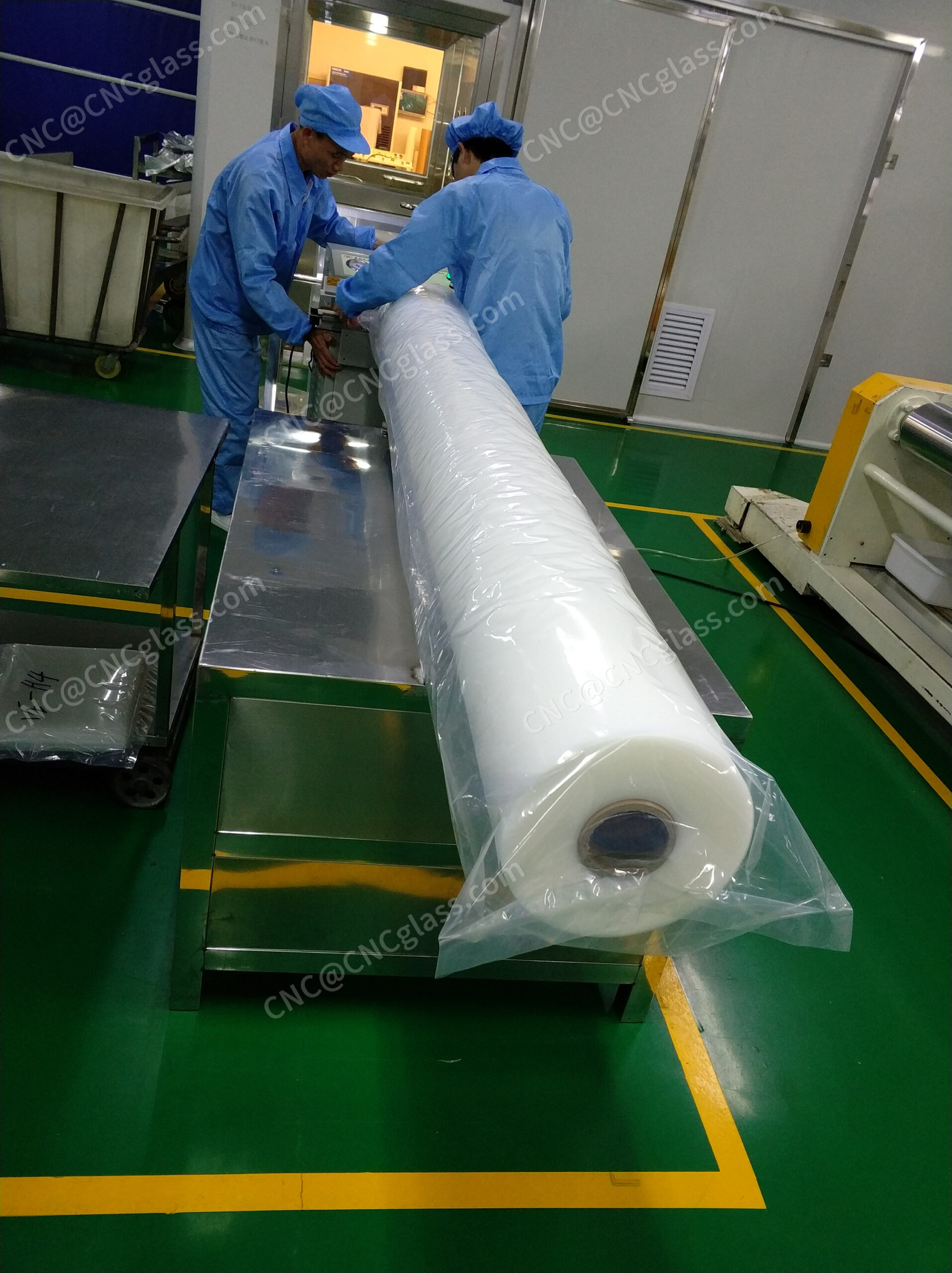
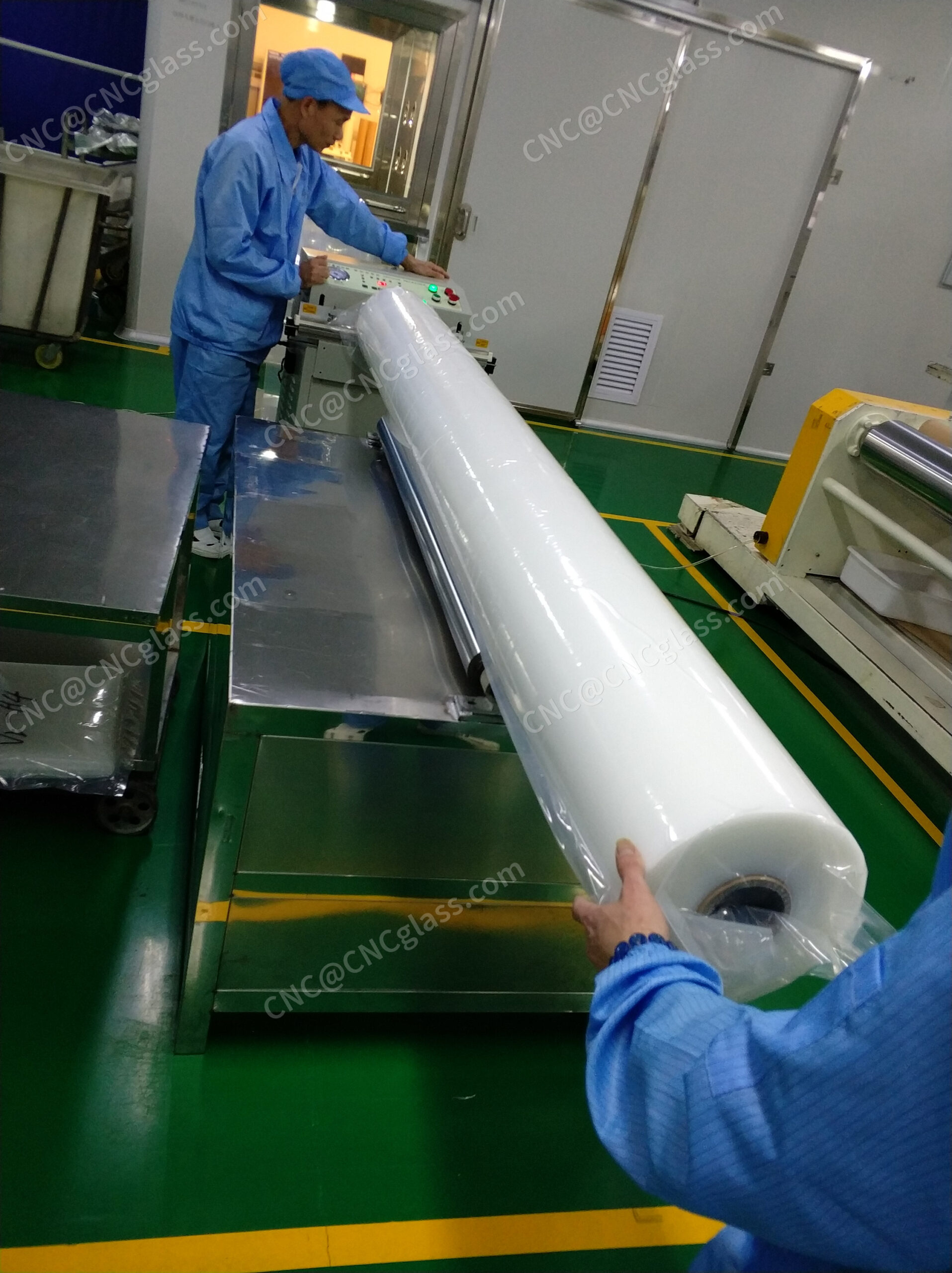
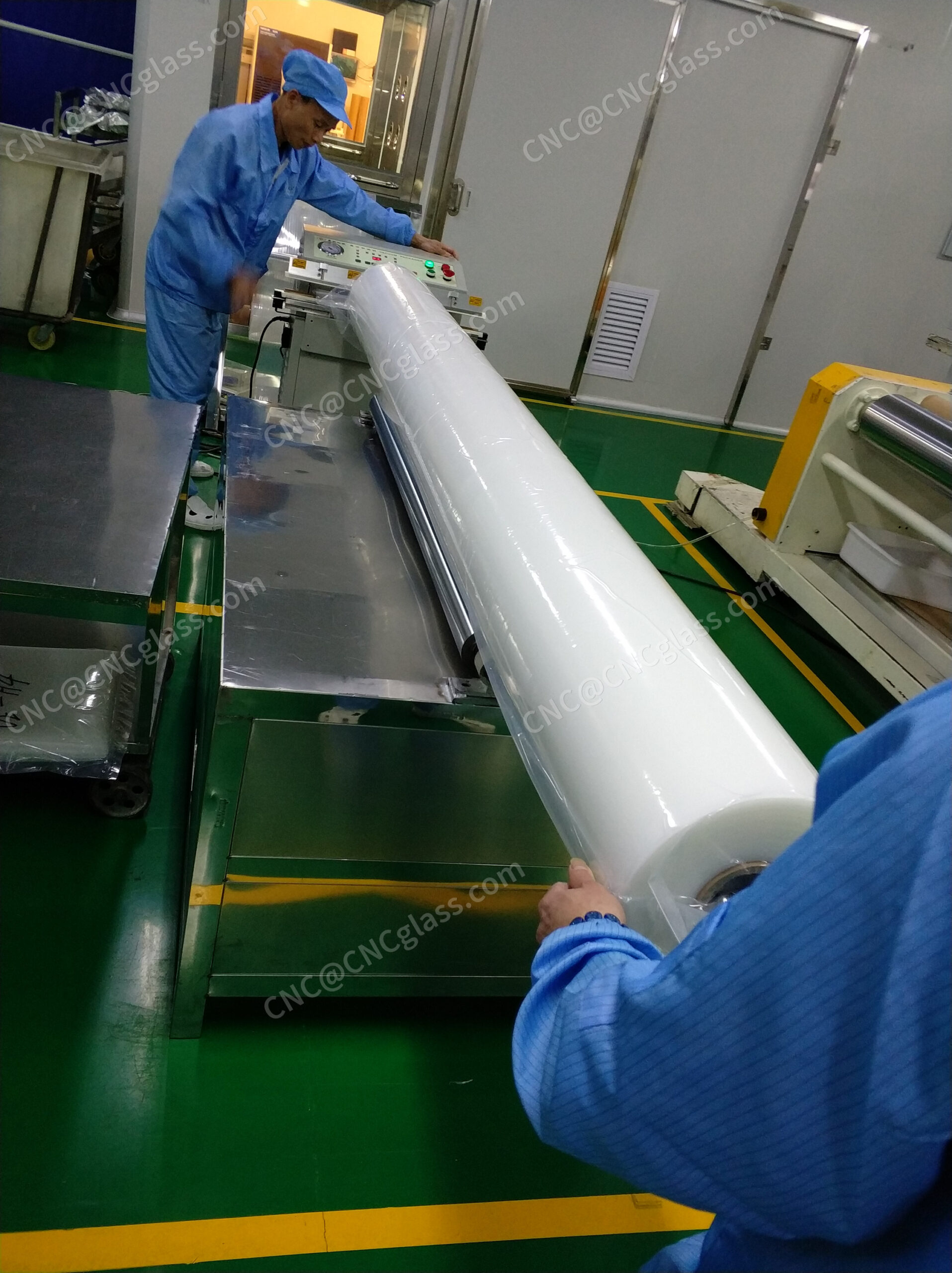
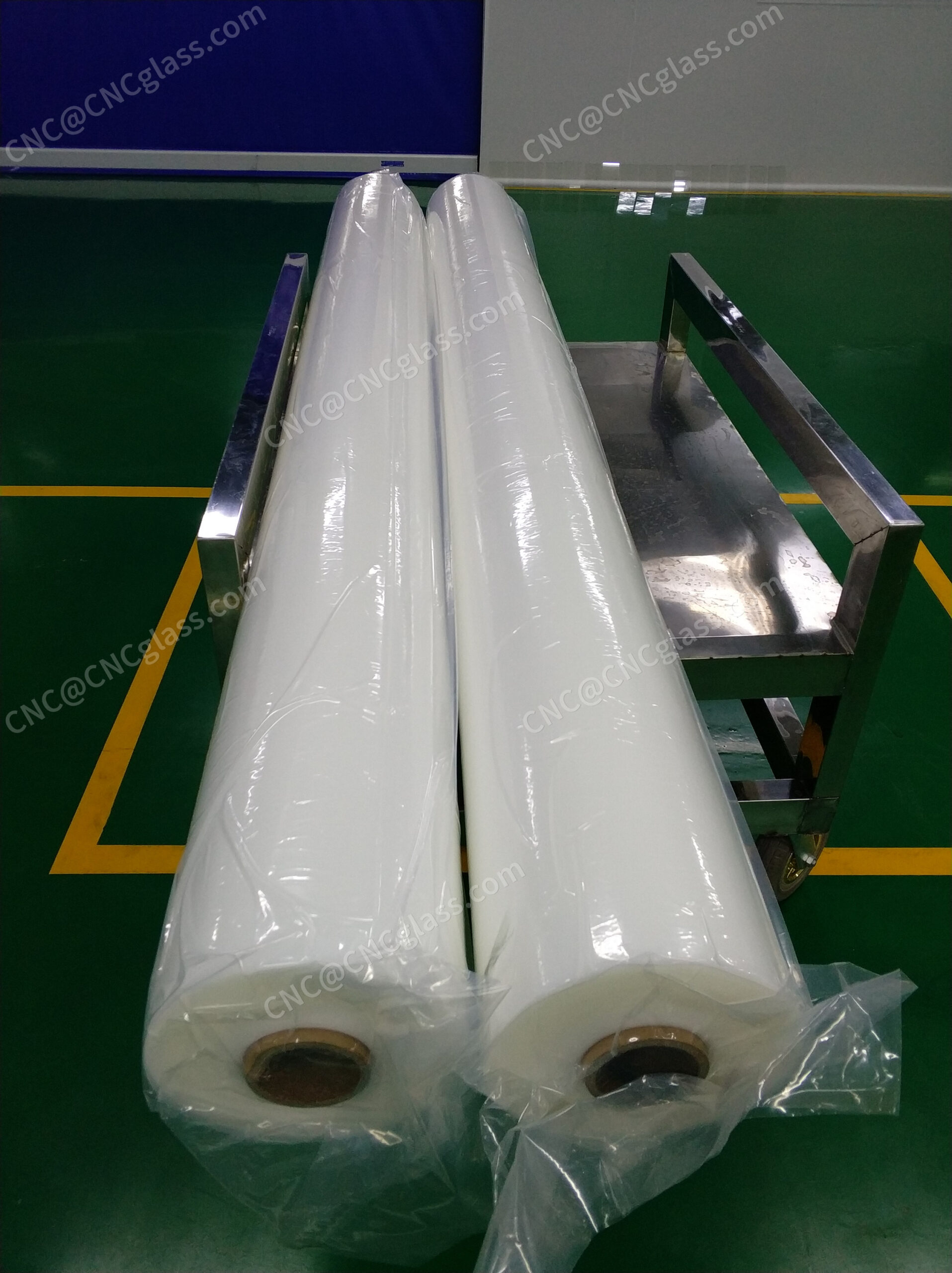
EVA film as a laminated glass interlayer is produced, inspected, cut, and packed in rolls on the factory floor, from the production line through wrapping and sealing.
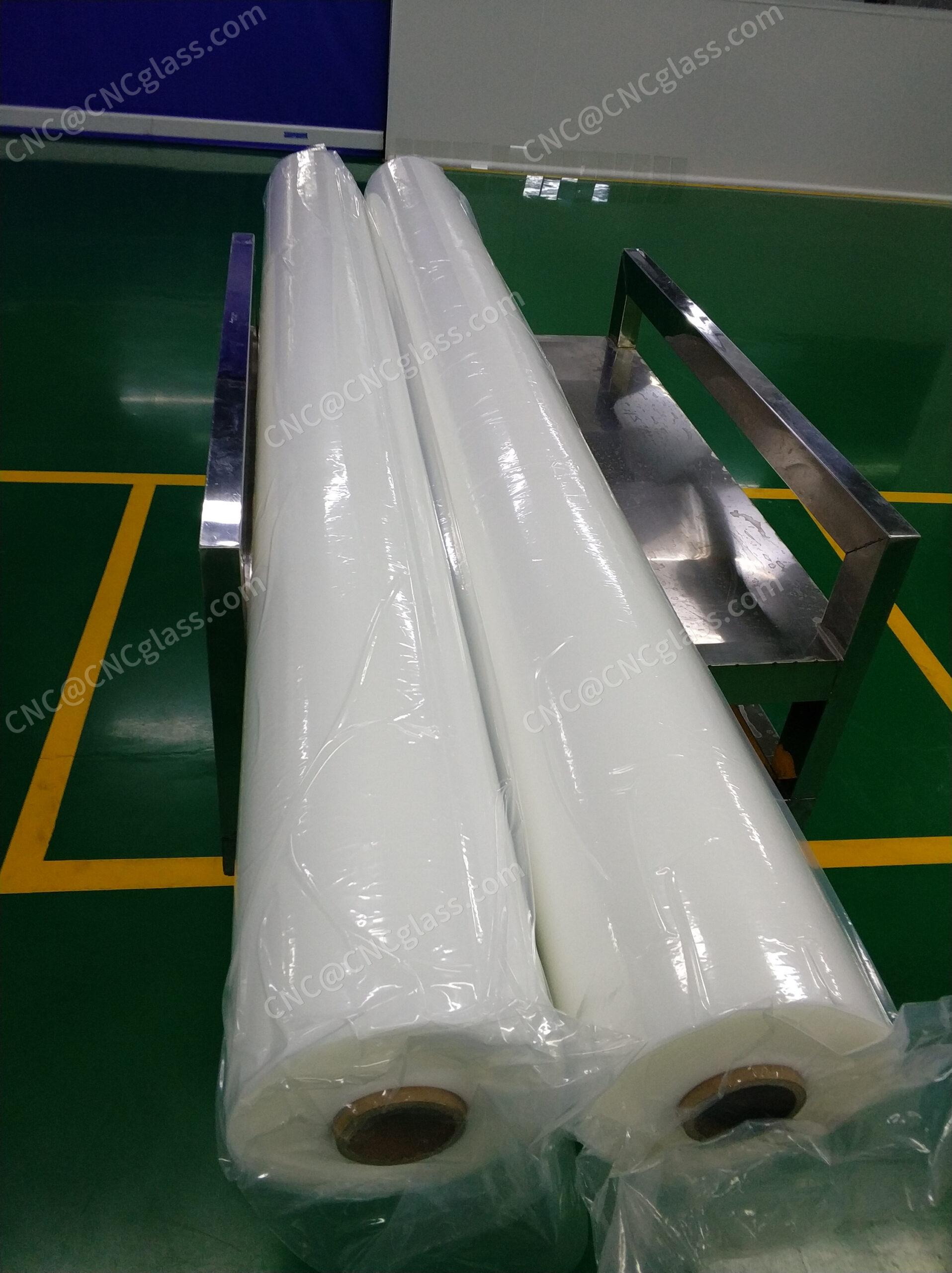
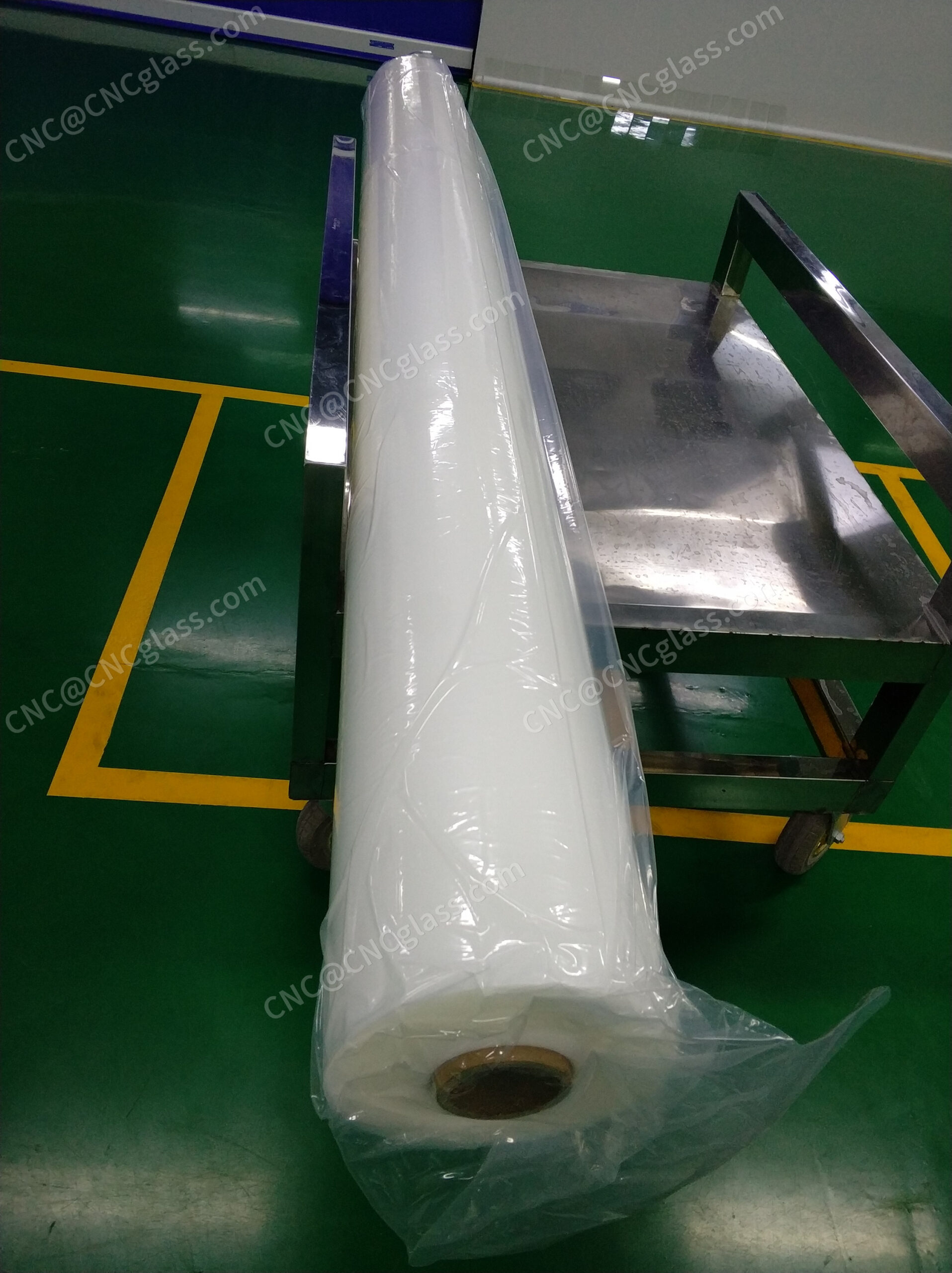
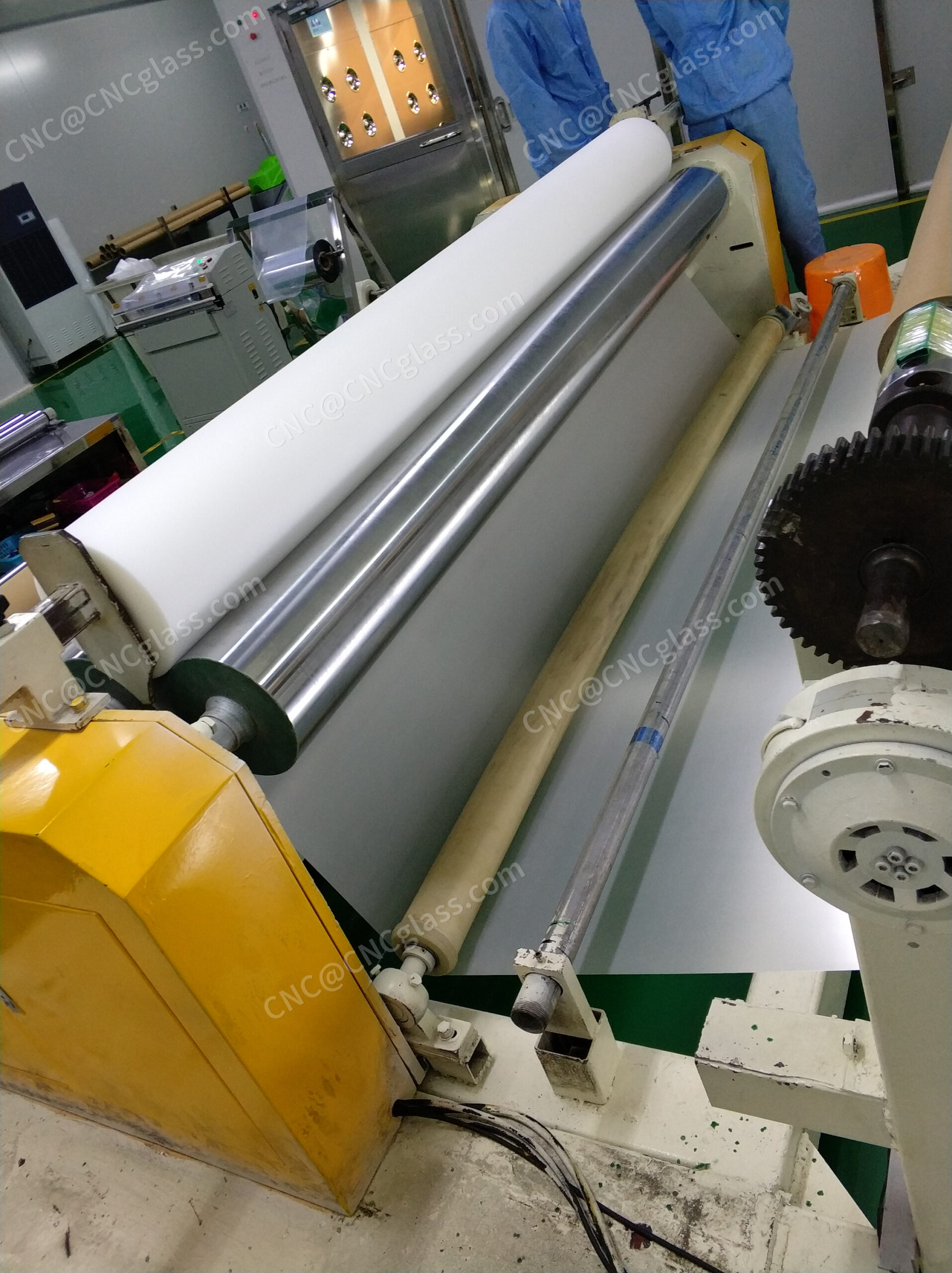
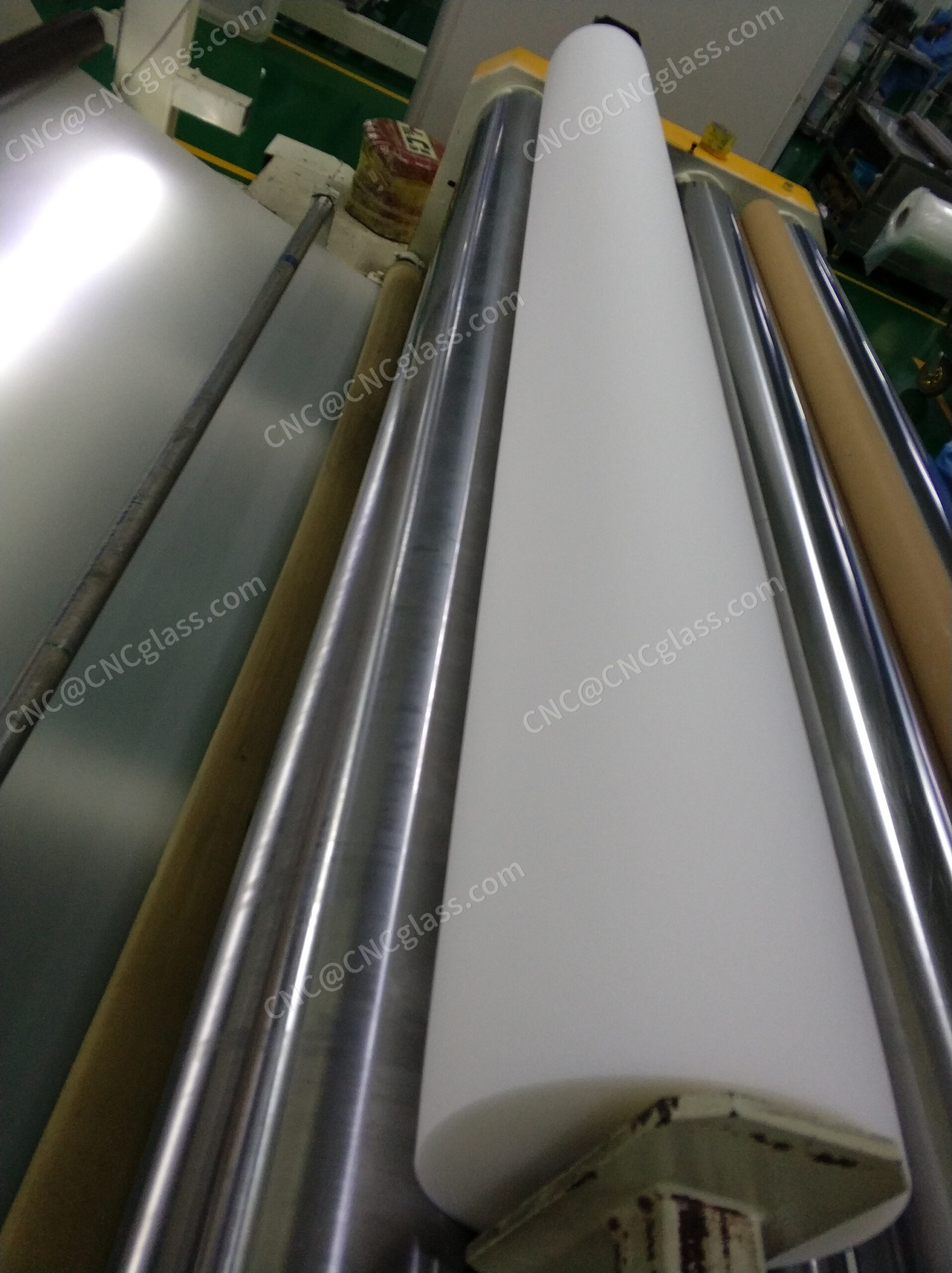
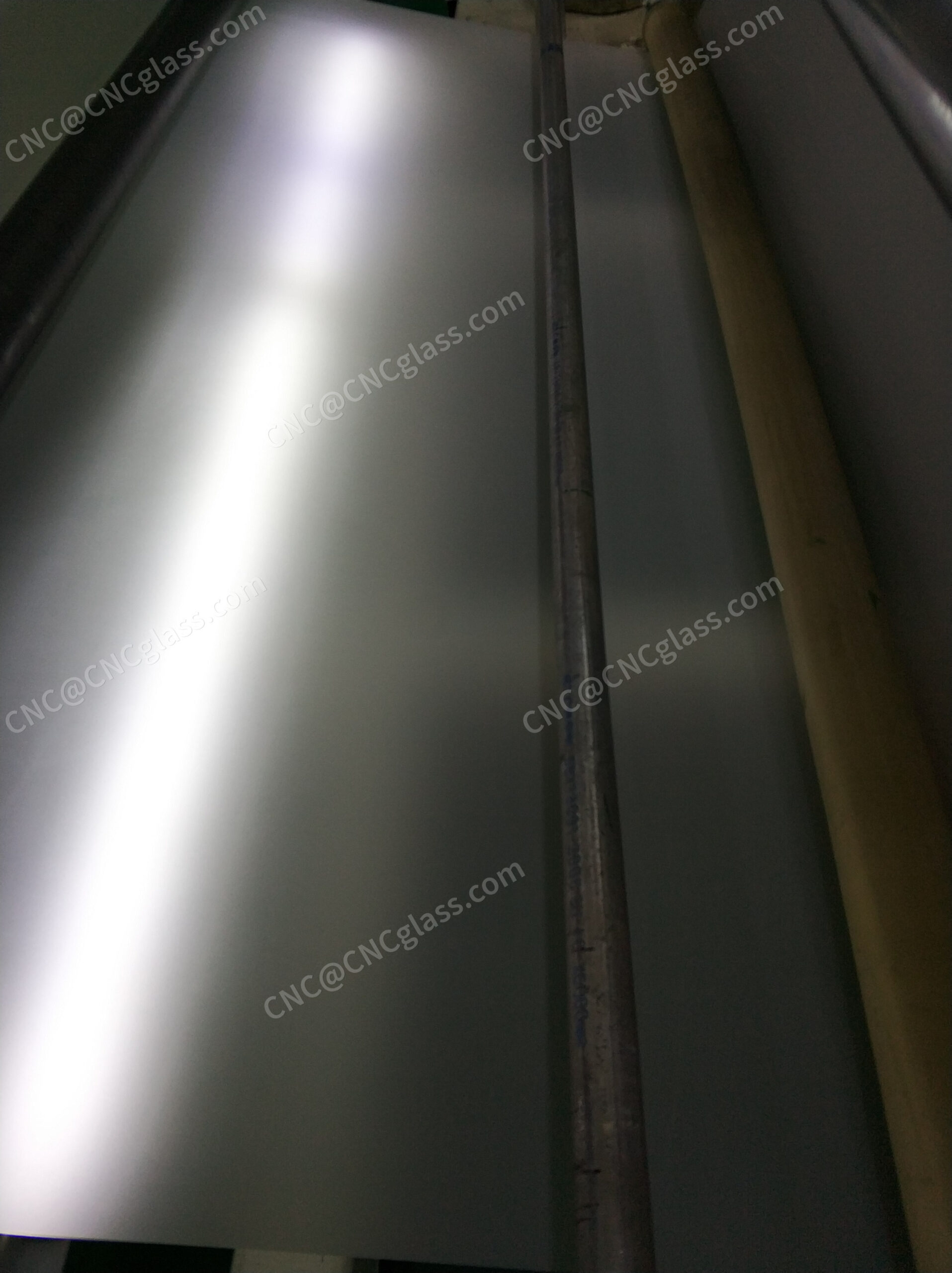
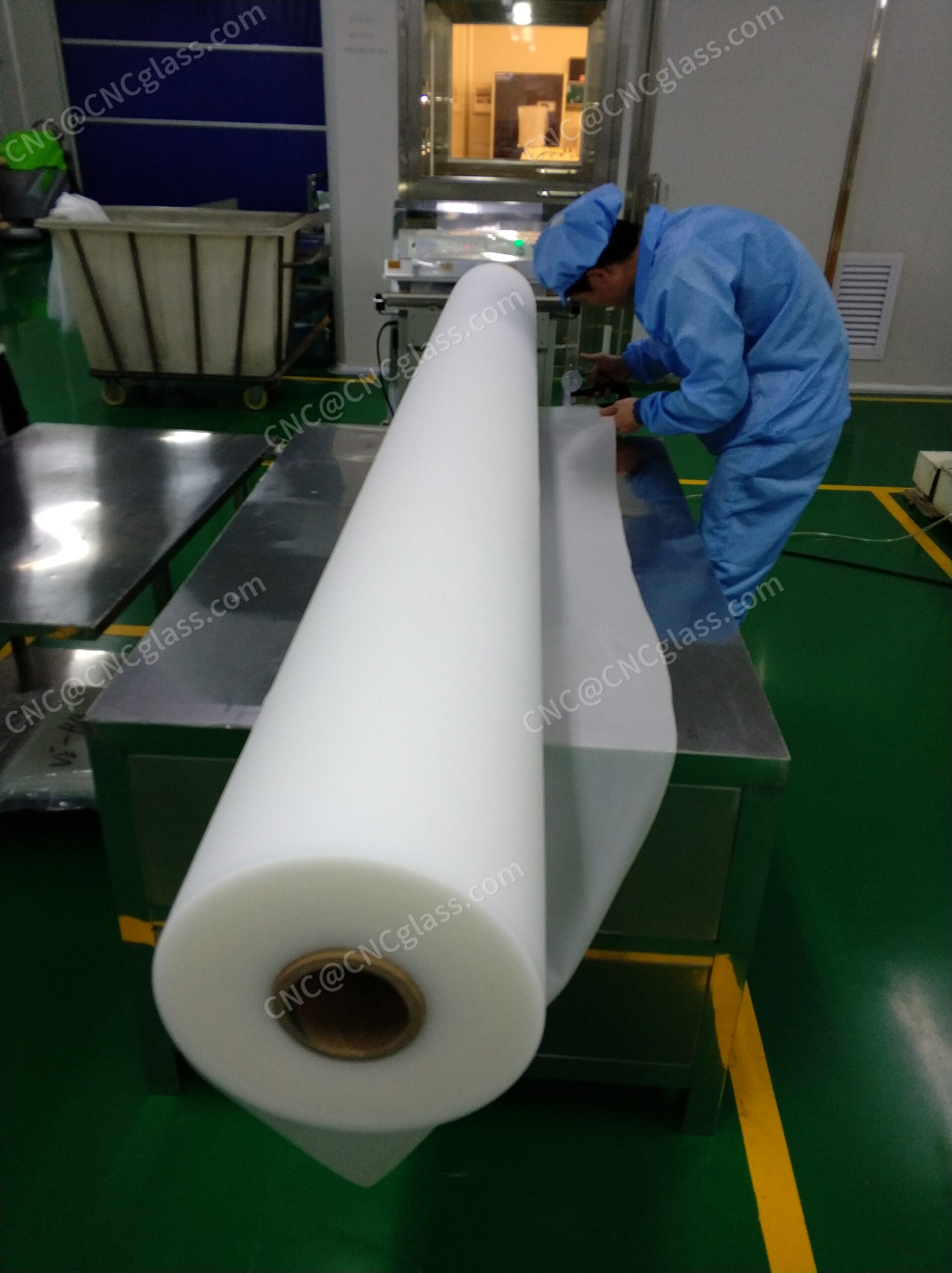
This technical note describes a translucent grey, 3.0 mm high tear-resistant silicone sheet used as a press pad between the press membrane and the door skin in wood door laminating. The grade is specified around tear resistance rather than maximum hardness, so the pad can follow a profile and still survive sharp edges, cut-outs and deep relief cycle after cycle. Declared properties include hardness 40 ±3 Shore A, tensile strength ≥ 8.5 MPa, elongation at break ≥ 800 %, tear strength ≥ 40 N/mm, and heat ageing after 72 hours at 220 °C with at least 85 % retention of tensile strength and elongation. These are declared properties, not a performance guarantee for a particular press, membrane or door construction.
This operating instruction covers the CNCGLASS air-cooled hot knife, a hand-held electric cutting tool for fabrics, including fiberglass and polyester fabrics. The blade heats within seconds, the operator has full temperature control, and an air-cooling system is designed to support continuous operation. The document explains blade installation on a 230 V supply, mid-range temperature practice on scrap fabric, smoke control when cutting foam, safety cautions, daily cleaning of the blades and brass holders, and the basic kit and specifications (max. 100 W, 450 g, up to 400 °C). It is an operating instruction, not a third-party test certificate or a certificate of conformity.
EVA film matters in current practice because plants can use it. It laminates in a vacuum furnace without an autoclave, it tolerates moisture at the edge better than a typical PVB, and it accepts decorative inserts and a range of outdoor or wet-area constructions. Fabricators who run mixed decorative and safety work often keep EVA on the floor for those reasons, and module makers depend on it as the default encapsulant. The film occupies a real process and product niche that PVB and ionoplast do not fill as easily, but it matters only if gel content, cleanliness, and adhesion are controlled.
EVA film used in solar modules and laminated glass is the product of a controlled sequence, not of a single lucky run. Formulation, melt, forming, cooling, and inspection all have to be held in band, because a gauge error or a contamination line will travel into every laminate made from that roll. This article explains how quality control should sit on every link, from incoming resin to finished-roll tests, and why buyers should look at process control rather than a single attractive sample. The full technical article is in the PDF below.
Development of EVA film should follow the applications that already work. The main uses remain architectural and decorative laminated glass, and encapsulation in photovoltaic modules; future work is an increment on those duties—longer life, tighter process control, and a few carefully proven extra functions. This article describes where development is actually useful on glass and module lines, and why new functions should be proven in tests without trading away bonding and clarity. The full technical article is in the PDF below.
When people picture solar power they picture a panel, not the polymer that holds it together. In most crystalline-silicon modules that polymer is EVA: it encapsulates the cells, bonds them to the glass, keeps the optical path open, and stands between the circuit and heat, humidity, and ultraviolet radiation for the life of the product. This article explains those protection, light, and adhesion duties, and why the film should be specified and the cycle verified rather than treated as a generic plastic. The full technical article is in the PDF below.